


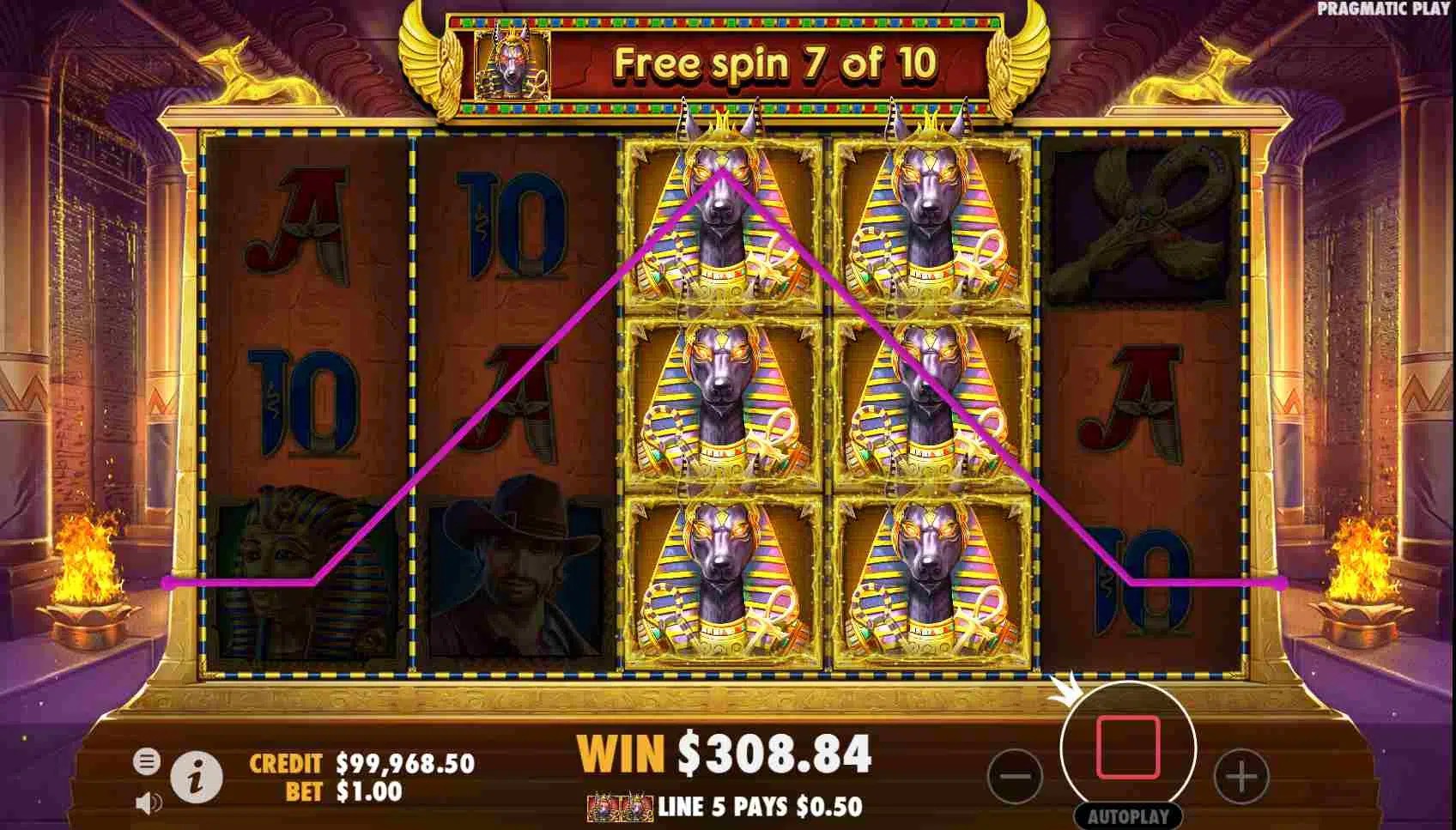
RTP Book Of The Fallen In Switzerland
Practical Steps for Setup, Stakes, and Breaks, So You Play Calmly in Switzerland 18+ and Stop on Time.
What the Payout Ratio Really Means
Many players first look for a number because they want orientation. That's understandable - but the number is only the background. It describes a long-term expectation over many rounds, not the course of your current session. If you separate this clearly, you can relieve a lot of pressure: You don't play "until it has to happen," but you play until your plan ends.
Imagine you start in the evening with a small budget and get a few hits in the first few minutes. That feels good, and that's precisely why it's dangerous - because the mind likes to make a story out of it. The practical countermove is simple: keep your stake stable, finish the block, then take a break. If you only decide after the break, you reduce impulsive jumps.
In 2026, speed is the underestimated factor. On a mobile phone, rounds run faster, autoplay is closer, distraction is everywhere. That's why the payout ratio only benefits you if you simultaneously control the things you truly have in your hands: time, stake, breaks, and clear stop signals. The rest is variance - and variance isn't something you "solve," but endure.
All promotional incentive structure is clearly stated in writing and/or via electronic means in an easily understood manner. All codes are accompanied by an explanation of what the code is for, who is eligible to use the code, and how it should be used. As such, players are less likely to be confused about what is required of them in order to receive a reward and how the reward will be applied after receiving it. The promotional incentives provided to participants provide them with time to become familiar with the gaming system's mechanics, their interface, and progress, before deciding how deeply they wish to become involved with this platform. Therefore, players are encouraged to participate in an informed manner, rather than being pressured or tempted to act quickly.
How to Evaluate Reviews Without Hype
Reviews help if you read them as experience reports, not as predictions. Good reviews describe processes: how fast the game feels, how clear the game info is, whether mobile operation works smoothly, and what a session feels like when played in short blocks. Bad reviews are often just a mood in one sentence - you can feel that, but not use it.
Imagine you're scrolling through opinions, looking for that one voice that gives you security. That's where the hype mistake begins: You adopt external expectations and put yourself under pressure to "experience this now." A better approach is a filter: Look for reviews that explain how they planned their stake and time, and whether they used limits. These are the only details that truly help you because they are within your control.
Another point: Reviews are often read when one is about to start. Then the temptation is great to skim everything and click directly. Turn it around. Read briefly, decide on a small test session, and then evaluate it yourself: Did the pace calm you down or push you more? Your reaction is more important than any external review, because with it you can build your own routine.
Session Setup Before the First Spin
The best start is not the fastest start. A good setup feels almost too simple: account ready, limits set, timer running, stake chosen. Precisely this simplicity prevents you from making big decisions in the middle of a session when you are tired, euphoric, or irritable.
Imagine you just want to "take a quick look" and start without a plan. After ten minutes, you realize you neither know when you want to stop nor how you can stop yourself once you get going. This isn't a character problem; it's a lack of structure. A setup saves you work later - and makes it easier to finish cleanly.
Account and Age Verification at Leisure
Complete profile and age verification steps as early as possible, not between rounds. Friction at the wrong moment makes one impatient, and impatience leads to more clicks, not better decisions. If your account is properly set up, you can end the session whenever you want - without an "one more step" pushing you into an extension.
Imagine you want to stop after a short block, but suddenly an additional step appears. Many then stay in the game "while they quickly take care of it." That's how 20 minutes turn into 60. The better process: completely stop the game, complete the step, log out. If you really want to play after that, you restart later - with a fresh mind.
Stake Selection and Block Plan
Stakes are speed in disguise. A higher stake doesn't just make the rounds 'more valuable,' it makes them more emotional, because the budget fluctuates faster. That's why a block plan is so effective: fixed stake, fixed time, then a break. Changes only between blocks, not in reaction to frustration or hope.
Imagine things are calm for a while and you feel the urge to 'crank it up now.' If you take a 60-second break at that moment, it often becomes clear: It's not about strategy, it's about mood. Keep the stakes stable, finish the block, and only decide after the break whether to start a new block.
Prefer planning shorter blocks rather than too long. Short means: more conscious restarts, less autopilot. And if you want to keep playing, a new block is a real decision - not just sliding on.
Autoplay, Speed and Reality Checks
Autoplay can be convenient, but it removes the micro-pauses between spins. If you use it, set guardrails: short series, a timer in the background, and a reality check that forces you to re-decide. Without guardrails, autoplay quickly turns into an extension you didn't plan for.
Imagine you're playing on your phone, something else is running in the background, and suddenly your budget is significantly smaller than expected. That's seldom 'bad luck,' that's speed. Turn off autoplay, switch to manual spins, end the block, and take a break. This simple brake will be more effective in 2026 than any complicated theory.
Timeout and Self-Exclusion as a Stop Button
Timeout is the emergency brake when you notice: you're clicking faster, you're getting irritated, you're thinking about winning back. Self-exclusion is the clear cut when patterns repeat: too long sessions, too many deposits, too much pressure. Both are tools, not punishment.
Imagine you've told yourself for the third time in a short period 'just for a bit today,' and yet it turns into a long session. Then you don't need a new resolution, but a real stop. A longer break can give you distance, so you can play consciously again later - or so you realize that a break is generally good right now.
Depositing and Withdrawing Without Stress
Many sessions don't turn sour because of game mechanics, but because of money decisions made at the wrong moment. Depositing out of frustration, continuing to spin 'while waiting,' only cashing out when you're tired - that turns entertainment into stress. A routine makes you more independent of daily form and emotions.
Imagine you're slightly in profit and feel that 'it's going well now' feeling. That's exactly when many increase speed and stakes. The calmer way: stop briefly, check status, decide. Either end cleanly or start a new short block - with the same discipline as at the beginning.
One Deposit Per Session
One of the most effective rules is simple: only one deposit per session. When the budget is used up, it's over - no matter if you're euphoric or frustrated. This rule takes away the internal debate under pressure, when you're most susceptible to adding 'just a little more'.
Imagine you're losing faster than expected and the impulse comes immediately. Stop first. Get up briefly, walk away from the screen, and ask yourself: Am I still playing for entertainment or out of pressure? If there's pressure involved, it's better to plan a new session on another day instead of extending this one.
|
Area |
Practical Setting |
Why It Helps |
|
Session Duration |
Timer or Spin Limit Per Block |
Prevents Autopilot and Too Long Evenings |
|
Stake Plan |
One Stake Level Per Block |
Reduces Impulse Changes During Frustration or Euphoria |
|
Deposit |
One Funding Per Session |
Stops Reloading In Emotional Moments |
|
Withdrawal |
Closing Ritual At Block End |
Helps to Stop Cleanly Instead of Diluting |
|
Help & Support |
Specific Questions, Then Pause |
Solves Problems Without Playing On The Side |
Cash Out As Closing Ritual
Treat withdrawals as a closing ritual. You stop, quickly check, make a decision, and log out. This sounds unspectacular, but it's precisely how you prevent the typical final phase where you 'quickly' give back winnings because you're tired or overexcited.
Imagine you just had an intense moment and want to continue immediately to maintain the feeling. That's exactly where the break is important. End the block, stand up briefly, and decide outside the game. If you really want to continue, start a new block with a new timer - not simply keep spinning.
An important addition: No waiting play. If there's a status somewhere or a step open, the best answer is not 'I'll spin until then,' but 'I'll log out and come back later.' This protects your budget and your mind.
Use Verification and Support Correctly
Verification is most stressful when it catches you in the flow. Complete such steps when you are calm, not late at night in a tunnel. Friction creates impatience, impatience creates bad decisions - and that is a common pattern in 2026.
Imagine you want to stop, but suddenly you have to confirm something and therefore stay in the game. Stop completely, complete the step, log out. If you need support, ask a specific question and don't continue playing 'to pass the time'. Support is there for clear processes, not as accompaniment for a longer session.
Gaming Practice: How to Stay Stable
Control doesn't come from a single perfect piece of knowledge, but from repeatable processes. You want a session that works even when things are calm, when they get exciting, or when you're annoyed. That's why you need a few clear basic principles: keep expectations realistic, manage your pace, end blocks, use breaks.
Imagine you notice after ten minutes that you're not actually looking consciously anymore. This isn't a sign that you "have to keep going." This is a sign that you should end the block. Stability means recognizing such signals early and not arguing them away.
Symbols, Hit Logic, and Expectations
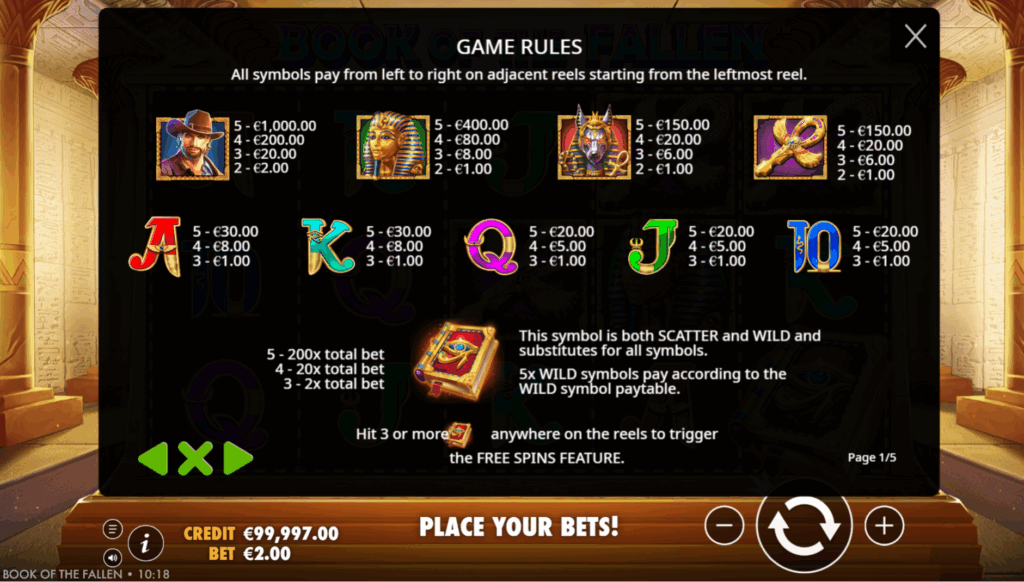
The most important game info isn't "how big could it get," but "how it's counted." If you understand how hits are evaluated, you're less prone to frustration during "near misses." And less frustration means fewer impulsive bet increases.
Imagine you see many identical symbols and automatically expect a large payout. If rules require specific patterns, "a lot on screen" isn't automatically "a lot of winnings." The practical step is: briefly check the info, adjust expectations, keep your bet stable. This is boring, but it saves money decisions made out of anger.
Bonus Moments Without Hunt Mode
Bonus moments feel like events, and events make you emotional. The mistake is to make the event the goal. Many say: "I'll stop when something happens again." This makes them postpone stopping further and further until it's late.
Imagine you're past your time limit and stay because you "just quickly" want to see a highlight. Stop anyway. If you really want to play more, start a new session later. This separation is the best protection against long evenings you haven't planned.
After an intense moment, the rule is: pause before you click further. Many lose control during the transition because they stay in the emotion. A minute of distance brings you back to conscious decisions.
Mobile Gaming In 2026
Everything is faster on a mobile phone. That's why mobile sessions should be shorter. Play manually, use a timer, and avoid multitasking if you notice you otherwise break rules. This sounds strict, but it often feels more relaxed because you're not fighting autopilot.
Imagine you're playing in bed, tired, and clicking mechanically. This is exactly where the longest sessions originate because you're no longer making conscious decisions. Set a short timer, keep the stake low, and end the block at the first sign of tiredness or irritation.
If you often go over your limits on your phone more than on a PC, change the context: only play when you truly have time and focus. Control is often not a matter of discipline, but of environment.
Mini-Log After Every Session
You don't need a big system. After playing, note down three things: how long you played, what your highest stake was, and how your mind felt at the end. This takes 20 seconds, but it makes patterns visible before they surprise you.
Imagine you tell yourself "I don't play much anyway," but the feeling after the session is often irritated. The log shows you whether time, stake, or mood are tipping. Then you can adjust one point: shorter blocks, lower stakes, more breaks, less frequency.
This small habit is particularly valuable in 2026 because mobile gaming makes it easier to fall into a routine without noticing. A mini-log is like a mirror that stops you in time.
Responsible Gaming In Switzerland
Responsible gaming is not a moralizing finger, but a system of small decisions. You set limits, you take breaks, you treat deposits and withdrawals as routine, and you stop at clear signals. In Switzerland, this always includes: only playing if 18+ and staying within the applicable rules, without telling yourself anything about licenses or guarantees.
Imagine you want to relieve stress with a session, but after ten minutes, you notice that you feel more pressure than before. This is an indication that you are not seeking entertainment, but relief - and gambling is not a good tool for that. In that case, a break is the better choice. And if this happens more often, a longer break or external support is more sensible than "just one more try."
A good standard is: you only play when you have time, not when you need to kill time. You only play when you are calm, not when you want to fix something. And you use tools like timeout or self-exclusion before things get uncomfortable, not afterward.
Short Plan For The Next Evening
If you only want to keep one plan, then it's this: two minutes setup, play one block, pause, re-decide. The plan works because it doesn't rely on mood, but on structure.
Imagine you start today: set a timer for 20 to 30 minutes, a calm stake, autoplay off or strictly limited, one deposit per session. After the block, you get up and decide outside of the game. If you notice irritation or thoughts of getting back what you lost, you take a timeout. If the pattern repeats, you take a longer break. This way it remains entertainment - and you stay in control.
FAQ
How do I recognize that I'm playing too fast?
If you click without really perceiving the results, you're on autopilot. Imagine you can't say what happened after five spins - then the pace is too high. End the block, switch to manual, and set a shorter timer for the next attempt.
Which limit helps most at the beginning?
A time limit is often the quickest protection because it prevents the evening from getting out of hand. Imagine you just want to play for a short while and suddenly an hour has passed - a timer prevents exactly that. Combine it with a fixed stake per block so that you don't increase it impulsively.
What do I do if I want to re-deposit?
Stop first and briefly move away from the screen. Imagine you want to re-deposit out of frustration - then it's not a calm decision. Take two minutes, check your budget, and only then decide if you really want to play more today or if stopping is the better option.
When is a break better than continuing to play?
As soon as irritation, haste, or the desire to recoup losses arises. Imagine you think "just a little longer," but you mean "I have to." At that moment, a timeout works better than more spins, because you gain distance again and don't make money decisions under pressure.
How do I prevent a good run from becoming too long?
Treat the end of a block as a fixed point, not a recommendation. Imagine you're euphoric and want to maintain momentum - that's exactly when the risk increases. End the block, take a break, and only start a new block if you truly remain calm.
Why is mobile gaming riskier for my budget?
Because speed and distraction are higher on mobile phones. Imagine you're playing casually and later wonder how much time has passed - that's typical. Keep mobile blocks shorter, play manually, and use reality checks so you make conscious decisions regularly.
When is a longer break advisable?
If you repeatedly play longer than planned, make multiple money decisions per evening, or feel worse after sessions than before. Imagine you intend to change but still end up in the same pattern - then a clear break is often the best protection. Use pause or self-exclusion functions and seek help if control is difficult.